Decisions That Keep Heat Flowing: A Homeowner’s Guide to Furnace Repair Planning
Assess the situation before anything else by noting symptoms such as short cycling, unusual noises, or cold spots. Document the age of the unit, filter history, and any recent changes to your thermostat or ductwork. This baseline helps you describe issues clearly, budget more accurately, and decide whether repair or replacement should be on the table this season or staged for a later window.
Meanwhile, scope the work by identifying which systems interact with your furnace. Heating installation and repair may overlap with duct sealing, thermostat calibration, or gas line evaluation. Clarify whether a tune-up, part replacement, or safety inspection is required. The clearer the scope, the easier it becomes to compare quotes, sequence tasks, and buffer timelines for parts availability.
However, verify safety first. Inspect carbon monoxide alarms, check for unusual odors, and keep ventilation clear. Technicians will often validate heat exchanger integrity and flame characteristics. Make sure you understand lockout conditions and breaker locations so you can safely shut the system down if necessary. Safety checks early in the process reduce risk and prevent costly rework later.
Beyond that, plan around seasonal timing. In practice, demand can spike during cold snaps, stretching appointment windows. If your system shows intermittent faults, scheduling service ahead of the first freeze provides options. Then, if the technician recommends additional work, you’ll have time to phase tasks, source components, and maintain comfort with temporary heating strategies if needed.
Often, budgeting benefits from a lifecycle view. Compare the cost of a major repair against the remaining service life of your furnace. Factor energy efficiency, warranty coverage, and the potential benefits of adjacent upgrades such as smarter thermostats or duct enhancements. A modest investment in Indoor Air Quality Services may improve comfort and reduce strain on heating components over time.
In addition, align the visit with other home systems you may touch during the repair. HVAC work can intersect with Electrical Installation and Repair when circuit protection or wiring needs attention. Plumbing Installaiton and repair may come into play if condensate drains or humidifiers require service. Consolidating tasks limits repeat trips, keeps labor efficient, and streamlines documentation for your records.
Furthermore, validate airflow fundamentals. Replace or clean filters, confirm returns are unobstructed, and inspect dampers. Technicians can calibrate gas pressure, blower speed, and temperature rise to manufacturer specifications. Small adjustments often restore steady heat and lower operating stress. After service, maintain a simple checklist—filters, thermostat schedules, and visual checks—to catch deviations early.
Next, evaluate vendor fit using clear criteria. Ask about licensing, insurance, training on your furnace type, and turnaround times during peak demand. Request a written scope that details diagnostics performed, parts replaced, and test results. Transparent communication and thorough documentation make future troubleshooting faster and help you compare options without guessing.
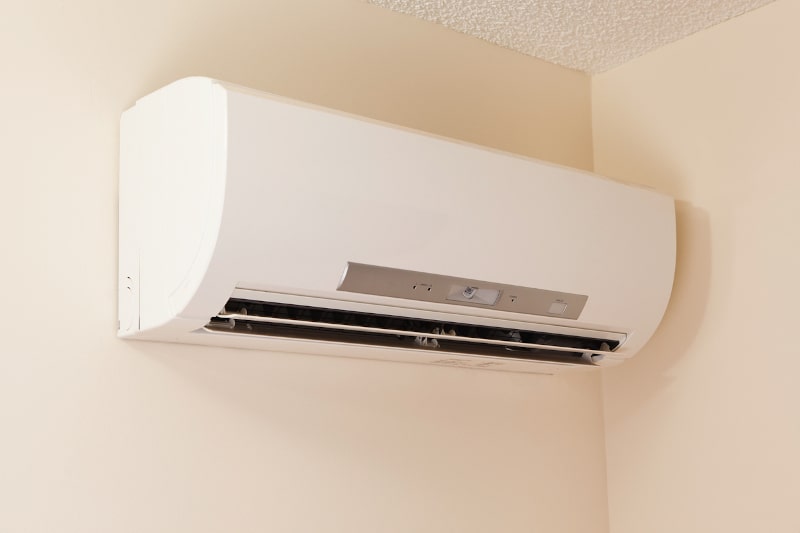
Additionally, consider comfort strategies while the system is offline. Space heaters must be used safely with adequate spacing and proper outlets. If you rely on gas appliances, ensure combustion areas stay ventilated. For homes leveraging Home Automation, temporary schedules and occupancy modes can reduce heat loss, while Ductless AC Installation with heat capabilities can serve as a targeted backup in critical rooms.
Finally, refine a long-term maintenance rhythm. Schedule annual inspections, track performance notes, and adjust setpoints seasonally. If you also manage AC installation and repair, synchronize heating and cooling service in a single visit to save time. A steady cadence of care extends equipment life, stabilizes bills, and keeps your home prepared for the cold without last-minute scrambling.